Throughout this series, we have examined genetics stories that connect curriculum to real-world impact, stories that can make us more empathetic and more informed members of society. Today, I want to break something we build in every genetics classroom: the Punnett square. And in doing so, we will explore a technology that could save hundreds of thousands of lives a year.
Mendel’s peas taught us that genes obey a 50/50 law. Each allele has an equal chance of being passed to the next generation. Imagine a genetic instruction that could override that law, stacking the deck so that more than 90 percent of offspring inherit a desired trait. It sounds like science fiction. Gene drive technology, however, is not only real, but is now being developed to address one of humanity’s deadliest foes: malaria.
The Story: Tanzanian Scientists Build a Gene-Drive Mosquito
Some context first: The World Health Organization reported an estimated 282 million malaria cases and 610,000 deaths in 2024, with 95 percent occurring in Africa. Three-quarters of those deaths were among children under five. Traditional control methods like bed nets, insecticides, and antimalarial drugs have saved millions of lives, yet the parasite and its mosquito vectors continue evolving resistance. Something new is needed.
Let me tell you a story.
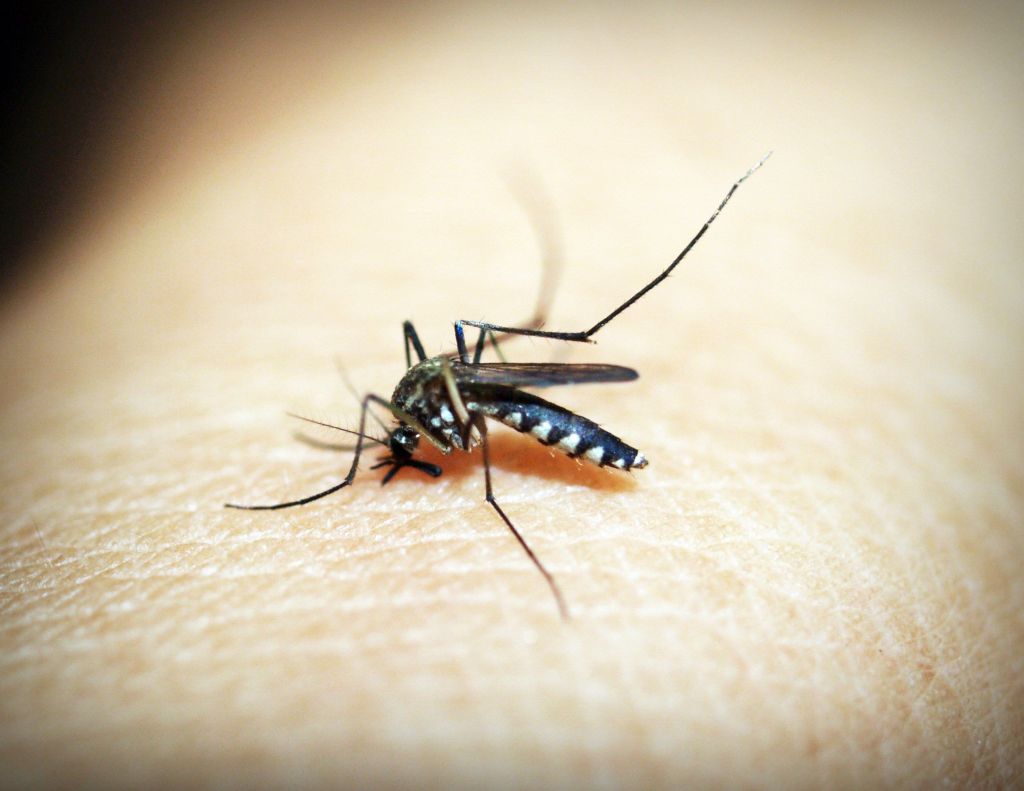
Late last year, a collaboration led by researchers in Tanzania and the UK announced a remarkable milestone. They engineered Anopheles gambiae mosquitoes, the primary malaria carrier in sub-Saharan Africa, to carry antimicrobial peptides borrowed from an African clawed frog and a European honeybee. This was done by micro-injecting DNA into mosquito embryos such that they would grow to adulthood and produce the peptides. These peptides interfere with the malaria parasite’s life cycle inside the mosquito, blocking transmission before it can reach a human host. Importantly, the mosquitoes were tested against real malaria strains taken from naturally infected children in local communities, not just laboratory specimens. Here’s the part that makes this a first. Scientists have built parasite-blocking mosquitoes before, but they always tested them against lab parasites, some of them bred in captivity since the 1980s. That’s like testing a flu vaccine against a virus from forty years ago. Real parasites in the wild are far more varied.
This team tested against the real thing: live, diverse parasites from actual infected children, sequenced to prove they were genuinely different from the lab strain. It worked anyway. That’s what moves this from a promising lab trick toward something that might work in the world.
What makes this work truly remarkable is not just the science. It is where and how it was done. The team built their laboratory in Bagamoyo, Tanzania, trained local scientists, and sourced infected blood locally. This is the first time that a genetically modified, gene drive-compatible mosquito strain has been developed in Africa, by African scientists, for the African people.
The Science: Hacking Mendelian Inheritance
So how does a gene drive work? In typical meiosis, each allele has a 50 percent chance of being passed to offspring. This is the foundational rule of Mendelian inheritance, the one we model with those tidy two-by-two grids. Gene drives break that rule entirely.
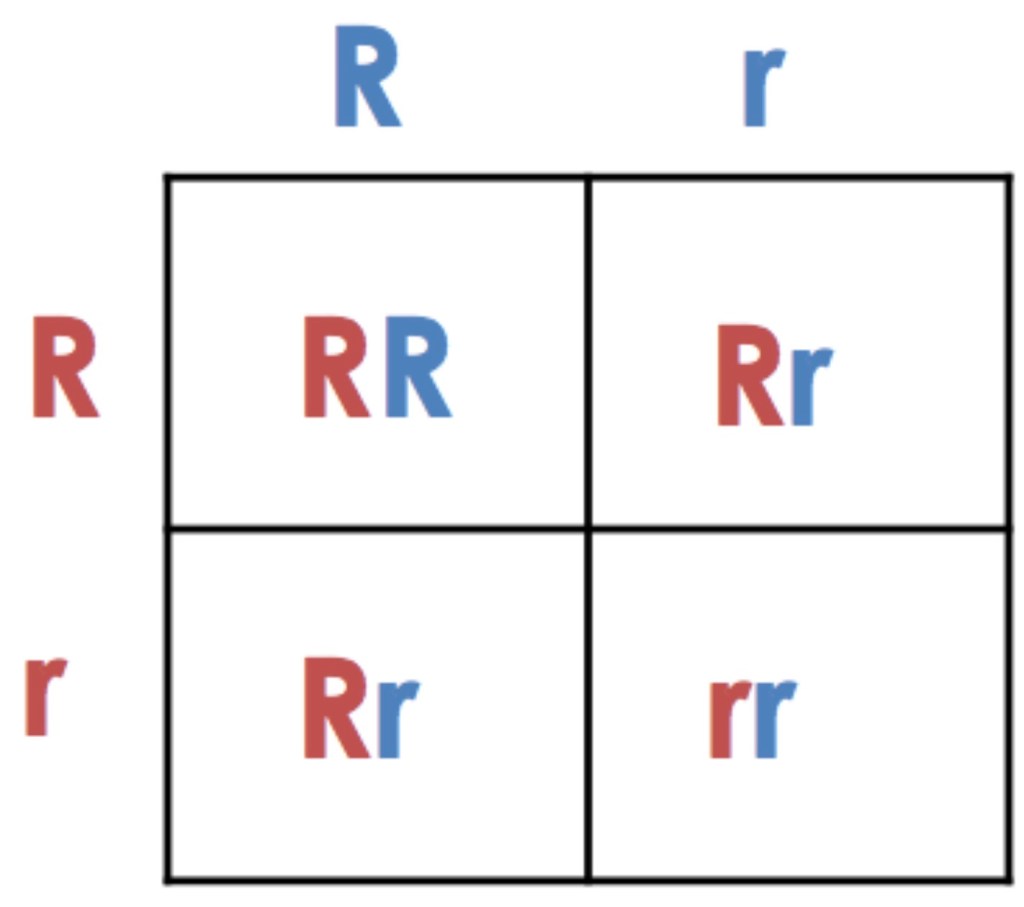
In a normal population, even a beneficial mutation spreads slowly because inheritance is always a coin flip. A gene drive loads the coin. Scientists insert CRISPR-Cas9, the genetic “scissors” we have explored previously in this series, into one chromosome of a pair, engineering one chromosome to carry a genetic package with the desired modification. When gametes (sperm and egg) form, Cas9 cuts the unmodified partner chromosome, and the cell uses the drive-containing chromosome as a template to repair it. The result: both chromosomes now carry the modification. Instead of a 50 percent chance of passing the trait on, the drive-carrying organism passes it on at rates above 90 percent, according to the researchers, pushing it through a wild population in just a few generations. The Punnett square, as we know it, no longer applies.
The Social Justice Link: Whose Science? Whose Risk? Whose Solution?
Any honest discussion of gene drives must reckon with who actually bears malaria’s burden. Children under five account for three-quarters of malaria deaths in Africa. This is not a distant abstraction. It is a daily, devastating reality for millions of families. And for too long, the story of science in the Global South has followed a familiar and troubling script: a crisis emerges, researchers from wealthy institutions arrive with solutions designed elsewhere, and communities are asked to accept technologies they had no hand in developing. I ask the uncomfortable question: Is science done for a community the same as science done by and with one?
The Tanzanian project suggests it does not have to work that way. The knowledge, the expertise, and the breakthroughs were generated on African soil, by African researchers, in direct relationship with the communities most affected.
This model matters enormously when we think about governance. The conversation around gene drives has often centered on international regulatory bodies and oversight from institutions based in Europe or North America. These structures have a role to play, but they cannot be the primary voice in decisions that will unfold in Tanzanian ecosystems and affect Tanzanian children. The people who live with malaria every day are the people who should be leading this conversation. Community governance is not just an ethical nicety. It is the most scientifically sound model we have, because it centers the most relevant knowledge and builds the trust that any successful public health intervention requires.
The Point: Homegrown Science for Homegrown Problems
The most important part of the Tanzanian story is not the peptides borrowed from frogs and bees, as remarkable as that is. It is the demonstration that communities facing a crisis are fully capable of leading the science designed to address it. That challenges a long-standing assumption in global health research, namely that innovation flows from wealthy institutions outward to grateful recipients.
The promise of gene drives depends not only on careful molecular design but on who is driving the decisions. Science governed by the communities it serves is more ethical, more responsive, and ultimately more likely to succeed than solutions handed down from far away.
A child’s survival in Tanzania may hinge on a technology developed right there in Bagamoyo, by scientists who grew up down the road. Scientific literacy asks us not only whether we can, but whether we should, and crucially, who gets to answer that question.
Class dismissed.
Edited by Amanda N. Weiss & JP Flores




Leave a comment