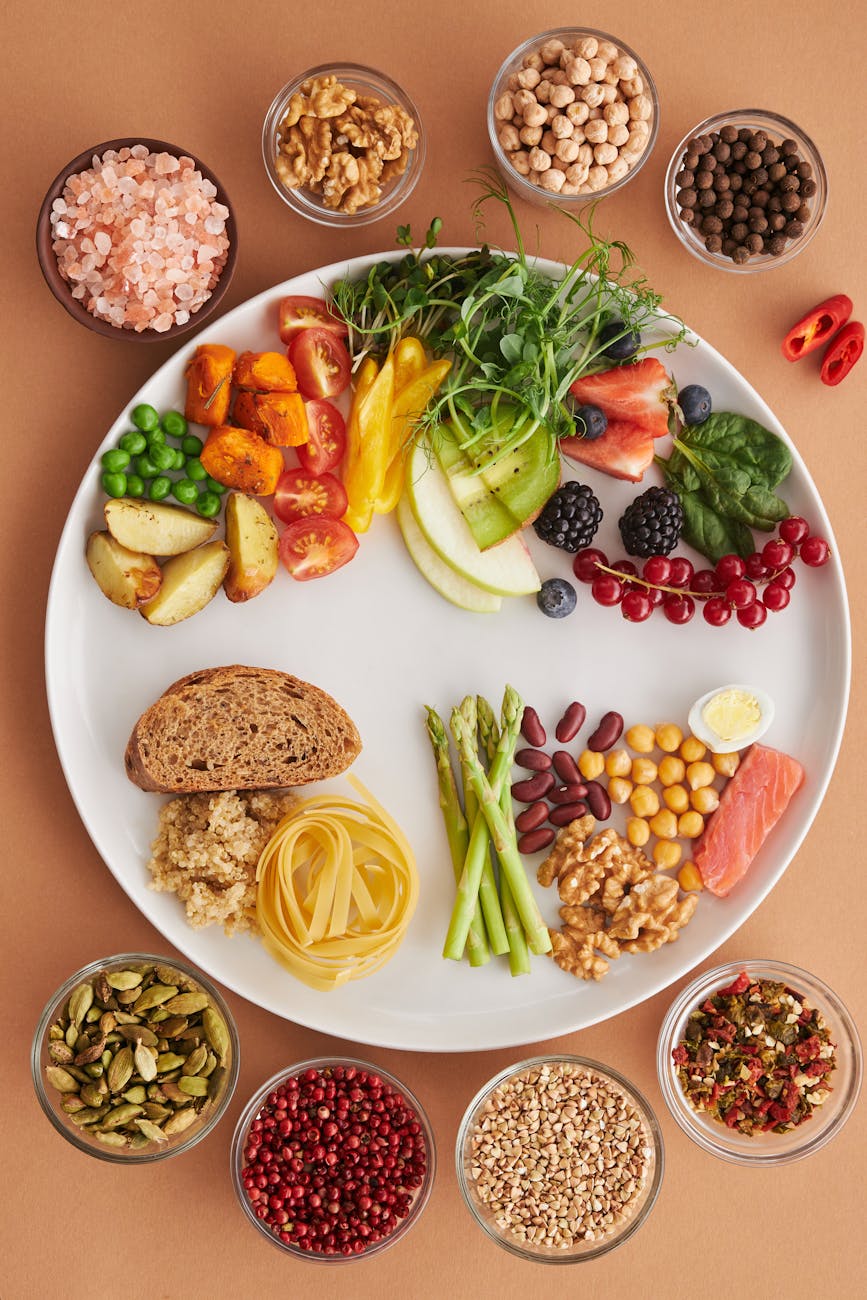
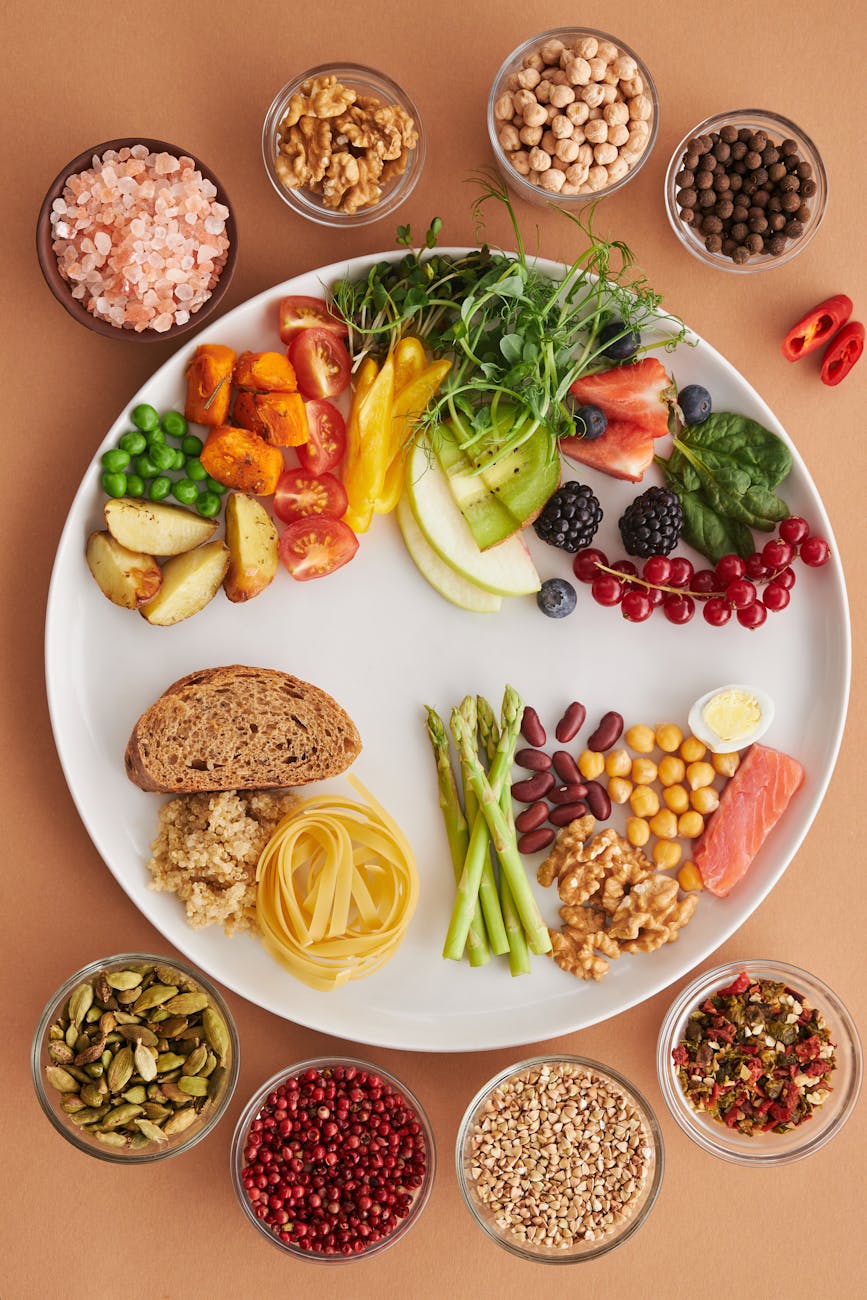
Imagine sitting down to a dinner specifically designed for your health: a plate full of vibrant sweet potatoes, spinach, and liver, all rich in the Vitamin A we’ve been told is essential for our survival. For most of us, this meal is a metabolic win. But for a specific group of people, this seemingly healthy feast might actually be a quiet invitation to chronic disease. New research suggests that for some, the road to Type 2 Diabetes isn’t just paved with frequently cited ‘unhealthy’ food, but by how our specific DNA interprets common nutrients.
In a recent Frontiers in Nutrition study, researchers began to move away from the tired advice of “eat your vegetables” to look at the far more complex reality of how our unique DNA interprets the food we eat. By analyzing genetic data from over 50,000 of individuals in Korea, they discovered that our genes act less like a stagnant blueprint and more like a sensitive set of molecular filters that determine how our bodies utilize specific nutrients. These genetic variants don’t always change whether a gene is ‘on’ or ‘off’; instead, they can alter the shape of the proteins the gene produces, changing how those proteins interact with the vitamins and minerals in our blood.
The most striking chapter of this research centers on a gene called MELTF. In the grand machinery of the human body, METLF helps manage how we process iron and grow new cells. To keep the iron from causing oxidative stress in our tissues, the body uses antioxidants like Vitamin A to keep the system balanced. This balance is also vital for immunity, since iron regulates immune system function, too. However, scientists found that for individuals carrying a specific variation of this gene, Vitamin A doesn’t act as a helpful antioxidant as normal, but instead, when consumed in high amounts, it appears to jam the cellular signals that manage our blood sugar. For these people, the very nutrient that is supposed to bolster their immunity is the same one that significantly heightens their risk of developing Type 2 Diabetes. A life-sustaining vitamin essentially becomes a metabolic stressor simply because of a single letter change in an individual’s DNA.
The study further explored how we handle fats, specifically through a gene known as TRIM25. This gene is a veteran of our immune system, usually tasked with sounding the alarm when a virus invades our body. But for those with a particular variant of TRIM25, dietary cholesterol acts as a false alarm. The body mistakes the presence of these fats for a viral invasion, triggering a wave of internal inflammation. This is critical because chronic inflammation acts like ‘static’ in our cellular communication, making it harder for cells to hear the signal from insulin. Because this inflammation wears down the body’s ability to use insulin, the result is an unfortunately genetically paved road toward diabetes.
This research fundamentally changes how we view the “perfect” diet. It suggests that our current nutritional guidelines are built on averages that might not apply to the person sitting at the table. We may soon be entering an era where a healthy meal is no longer defined by what is in the fridge, but by what is in the genome. We are already seeing the first ripples of this shift. From clinical tests for gene mutations that dictate specific vitamin needs, to consumer apps that analyze caffeine metabolism, the ‘average’ diet is being dismantled. However, as with any frontier, it’s currently a Wild West of information ranging from scientifically-validated precision nutrition to ‘DNA-based’ marketing hacks that overpromise on what a single gene can tell us.
As we look toward the future of personalized medicine, the goal is to stop guessing which foods are good for us and start listening to the specific instructions our DNA is sending back. By understanding these gene-nutrient interactions, we move closer to a future where we can prevent chronic conditions like diabetes not with a generic diet, but with a nutritional plan tailored to the ‘fine print’ of our own genetic manual.
Edited by Zach Patterson & Amanda N. Weiss




Leave a comment