Ancient dog genomes reveal that dog population dynamics mirror humans’.

Our relationship with dogs is singular. For over 10 thousand years we’ve bonded closely with this species and secured a partner who accompanies us daily to aid us in our tasks. Humans domesticated dogs before any other animal, but how our populations interacted toward the beginning of this relationship remains obscure. Now dogs are helping us shed light on the mysterious development of that relationship.
By reconstructing dog population histories and their association with humans, researchers can probe the course of the human-dog relationship. In a 2020 study, a group of researchers sequenced ancient DNA from 27 dogs up to 10.9 thousand years old. They compiled 17 sets of human genome data matching as closely as possible in age, geography, and cultural context with the dog genomes. Through computational modeling, this research group asked how dog and human interactions developed by comparing the genetic patterns found within dog populations to the genetic patterns found within human populations. They found that, although not identical, dog population structures resemble those of humans.
When did the human-dog relationship begin?
The authors of this study inferred dog relatedness by looking at how frequently and where different versions of a gene appeared in the population. If a dog gene, for example, encodes hair length, one version of this gene (called an allele) might code for short hair and another version might code for long hair. By clustering dogs with the short hair allele together and the dogs with the long hair allele together, researchers get a picture of which dogs might have shared ancestry.
Researchers used computer-generated models to examine dog mixing that could explain the resulting pattern of clusters. They focused on mixing dynamics of 5 populations that comprise the major ancestries of dogs – Neolithic Levant, Mesolithic Karelia, Mesolithic Baikal, ancient America, and New Guinea singing dogs. The analysis revealed a single event where previously isolated dog populations mixed. The product of this event, called an admixture event, is represented by a 10.9 thousand year old dog from a Karelian-cultural context.
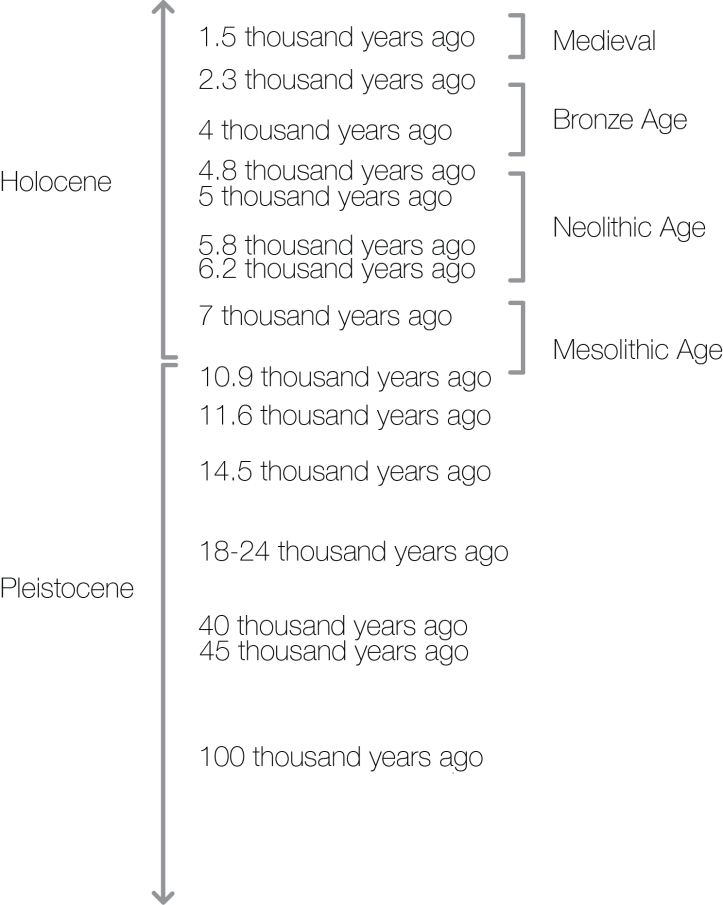
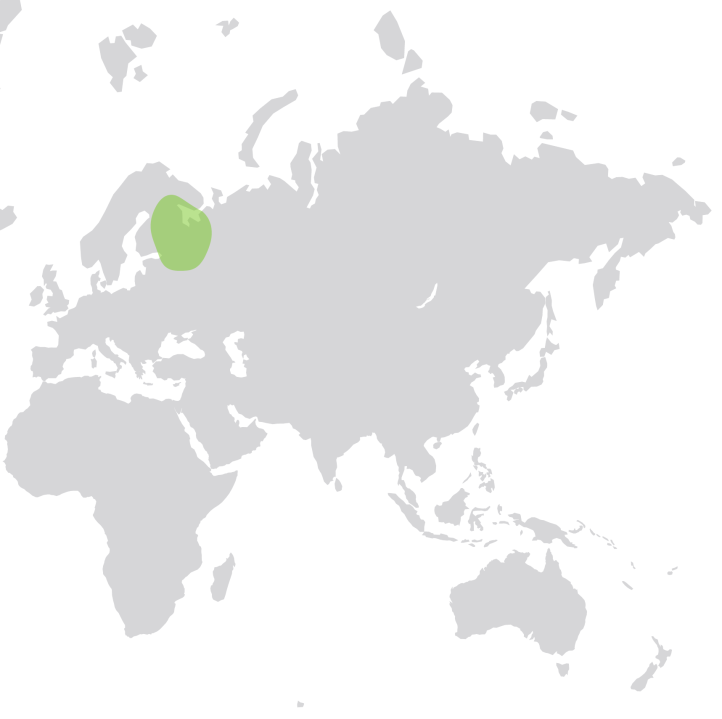
Their model further showed a branching lineage that suggested that the 5 major dog ancestries examined must pre-date the 10.9 thousand year old Karelian dog, and that these 5 populations likely mixed with dogs that were genetically similar to the Karelian canine. These findings push the domestication of dogs back firmly to the Pleistocene over 12,000 years ago – earlier than we previously thought.
Does our relationship have a single origin?
We know dogs are our earliest domesticated animal, but were they domesticated once, or multiple times? To address this question, the authors examined interbreeding between dogs and their close relatives, wolves. If dog genomes show a diversity of ancient wolf ancestry, it may be that they were domesticated several times. Researchers found genes have flowed from dogs into most of the 35 modern-day wolves they
analyzed. However, there was no sign of the reverse phenomenon – modern-day wolf genes into dogs. This indicates that the flow of genes from wolves into dogs is limited, and supports the hypothesis that a single admixture event with a genetically similar population of wolves is responsible for the ancestry of all modern dogs. Sequencing more ancient wolf genomes could give us a clearer picture of ancient dog-wolf mixing trends.
How did our relationship with dogs proceed?
Comparing the genetic patterns of dogs and humans across the ancient landscape can indicate how our relationship with dogs developed. The authors found that the two population structures emulate each other. For example, the mixture of separate dog and human populations matched each other in most of the tests they ran. The population structures did depart in a few instances, which is unsurprising, since human and dog population mixtures didn’t occur in lock-step.
Geographical similarities in the population structures of humans and dogs can be seen in East Asian populations, where both groups cluster with European populations, rather than Near East populations.
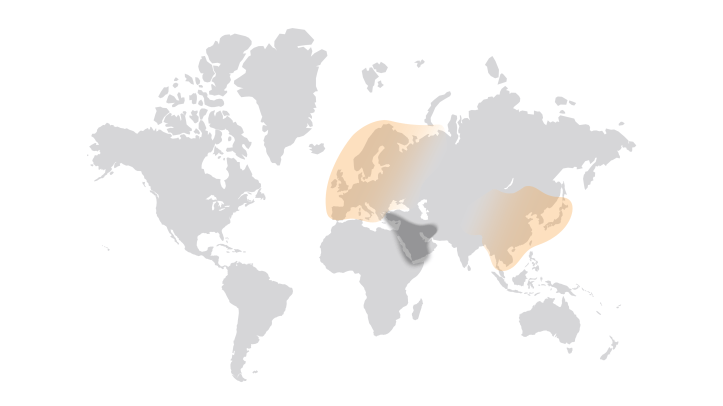
(Image created with Adobe Illustrator & ohaiyoo stock image stock.adobe.com)
European dogs cluster with Siberian and American dog populations, which may reflect the human routes of migration across the Pacific.
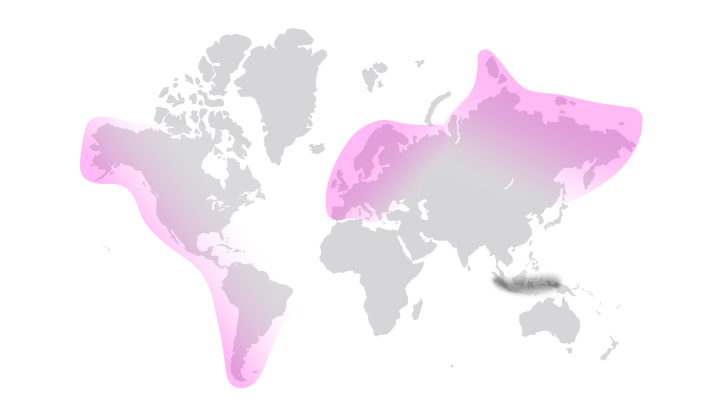
(Image created with Adobe Illustrator & ohaiyoo stock image stock.adobe.com)
Another parallel is seen in dog populations from Lake Baikal, which cluster with a Western Eurasian affinity, ultimately contributing to Native American dog ancestry. The same ancestry contribution to Native American populations is seen in humans, but occurred at least 10 thousand years earlier than dogs.
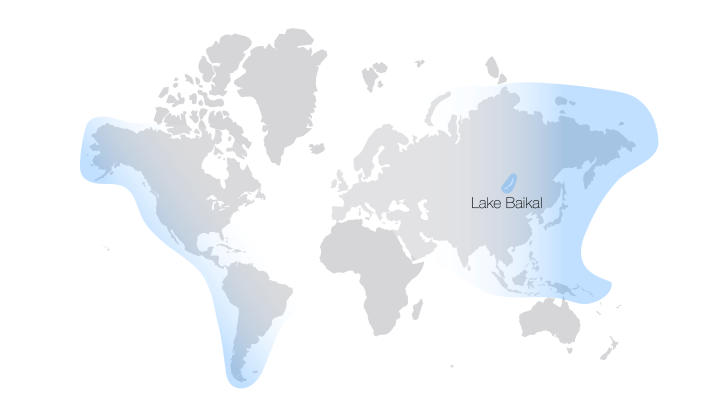
(Image created with Adobe Illustrator & ohaiyoo stock image stock.adobe.com)
Dogs by our side across culture, geography, and time.
The ancestry patterns of modern dog populations broadly reflect the movement and mixing of human populations. Departures from the human population storyline indicates that humans and dogs sometimes moved and mixed independently. While we cannot know the exact circumstances of dog movements (what combinations of trade, adoption, and surrender might have occurred), we can look forward to discovering a greater variety of ancient dog remains to further assist us in piecing together the story of how we came to form this extraordinary partnership.
Edited by Anna Rogers
Source article: Origins and genetic legacy of prehistoric dogs


 GeneBites
Leave a comment