
While DNA remains fundamental, it’s clear that it isn’t the sole determinant of an organism’s traits. RNA based therapies offer an innovative alternative to genetic disorders.
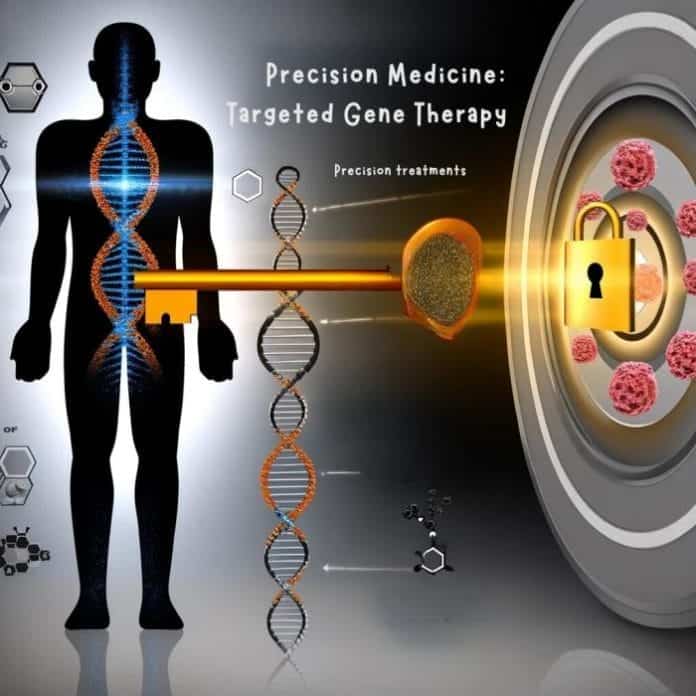
Image by James E. DiCarlo from BioExplorer.net.
In 1972, two scientists, Roblin and Friedman, proposed a novel approach to reversing life-threatening genetic diseases. If a disease could be traced to a specific ‘misbehaving’ gene, their idea was to correct the error by presenting a functional copy of the problematic gene. Today, this approach is recognised as Gene Modifying Therapy.
With the escalating number of genetic disorders affecting newborns, scientists are now becoming more skeptical about the now decade-old Gene Modifying theory. Sometimes, we carry genes that sleep on the job and don’t synthesise the functional protein. Introns and small interfering RNA (siRNA) are two striking characters that silence our genetic instructions to produce proteins; hence, they can play a vital role in maintaining our genetic profile. Most recently, while addressing ‘oversimplified’ and ‘outdated’ biology concepts, science communicator Philip Ball Pan Macmillan wrote a critic piece in his book; ‘How Life Works: A User’s Guide to the New Biology (2024)’ emphasising that DNA alone can’t dictate a fully thriving life. RNA therapies have the capacity to mitigate the faulty genes some of us carry at birth.
Philip Ball argues the “cells as computers” and “genes as code” metaphor is flawed. Gene activity is not solely DNA-driven but influenced by complex factors like environment and lifestyle. RNA therapies, like COVID-19 vaccines demonstrate this complexity by precisely manipulating gene expression, offering potential treatments for diseases like muscle wasting. This is a prime example of successful gene modification using small synthetic RNA constructs known as antisense oligonucleotides (ASOs). ASOs represent one of the four main types of RNA-based therapies. These “precision” molecules work by pairing with RNA instructions, effectively manipulating cellular processes; either by masking sites on sinister genes (a.k.a pseudogenes) or completely silence to abolish harmful protein production. Muscle wasting disease is one of the evolving areas of focus where ASOs can guide genes to restore the function of dystrophin ( the largest human protein which maintains normal muscle contractions).
Thus, RNA therapies like ASOs demonstrate the dynamic interplay within the cell, going beyond the simplistic “genes as code” analogy and offering targeted interventions for complex genetic disorders.
Some of us might be lucky to have been born with a set of fully functional genes, while others might be less fortunate in inheriting faulty genes. Imagine how rewarding it would be for someone with a rare inherited disease looking out for such life-changing therapies. Today, scientists join hands with big pharma companies and clinical experts to address the challenges of cost and timeline of developing such personalised therapies to suit individual needs. Nevertheless, the unforeseen side-effects of Gene Modifying therapies still remain a debate among target communities- patients who need such treatments to Clinicians who are still unsure whether correcting faulty genes would turn into an unpredictable scenario of ‘playing with fire’- increasing more mortality rate than the disease itself. These mystical questions and concerns are the starting point with an ultimatum to wipe out deadly inherited diseases.
Edited by [Jameson Blount & Jayati Sharma]


 GeneBites
Leave a comment