Self-replicating “gene drives” could save island ecosystems from rats and mice – if they can be targeted appropriately
Imagine a self-replicating artificial genetic element that can eradicate invasive pests. It is precisely targeted to a single harmful species; unlike poison, it’s harmless to all others. It spreads through an invasive species like wildfire, to immense ecological benefit – or unpredictable harm, if it wipes out its target in a place where that species is native. Such tools, called “gene drives”, remain mostly theoretical – for now. But research brings them ever closer to practical use, and a recent study explores the feasibility of a safer gene drive, which can target a single invasive population within a species.
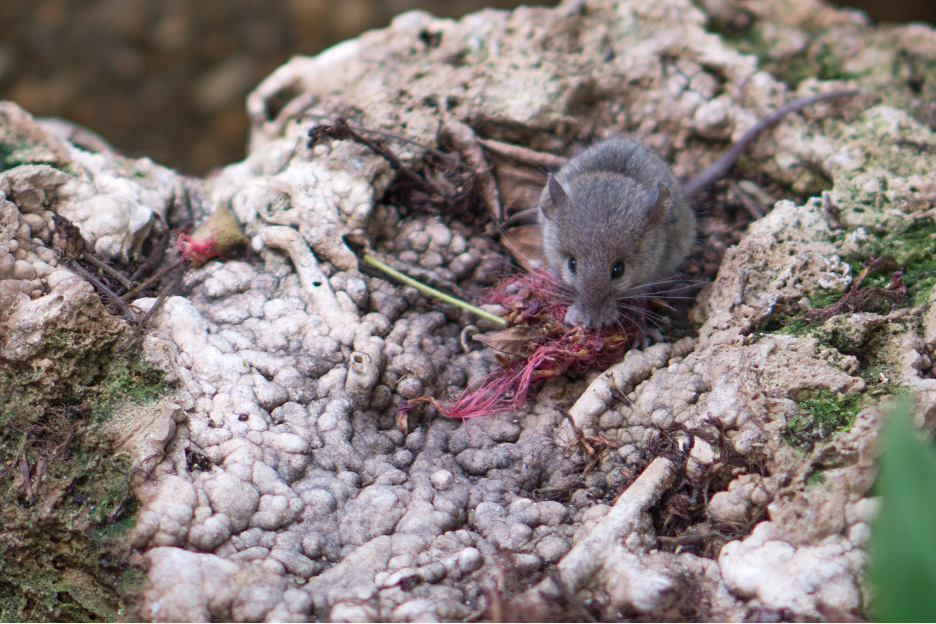
The researchers investigated the possibility of a gene drive to suppress invasive populations of island mice, while leaving mainland mice unaffected. Perhaps surprisingly, invasive rodents on islands play an outsize role in modern-day extinctions. Rats and mice hitchhike with humans, spread rapidly through many island ecosystems, and devour vulnerable plant seeds, insects, and eggs. Efforts to reduce invasive rodent populations usually involve rat poison, which can harm other species; a species-specific gene drive is a promising alternative. However, while gene drives are species-specific, most are not population-specific, meaning that a drive that targets island mice would also endanger mainland mice. Therefore, the researchers analyzed the genetics of island and mainland mice to determine if an island-specific gene drive would be possible.
Gene drives can spread so rapidly thanks to a very unusual pattern of inheritance. Researchers insert the gene drive into a specific target site in the genome. The drive can copy itself into the same target site on the opposing chromosome, so that both of the target sites contain the gene drive. This ensures that every descendant of an affected organism inherits the drive, causing it to quickly spread through a population. If a gene drive targets a gene required for female fertility, affected females are sterile and affected males continue to spread the drive, making the population rapidly decrease.
Because gene drives spread through inheritance, they are extremely species-specific. However, if a mouse with the gene drive escaped from an island and started breeding with mainland mice, the gene drive would spread through the mainland mice just as effectively. If a gene drive could affect a genetic target site that’s only present in the invasive island mice, it would be much safer, because it wouldn’t be able to copy itself into mainland mice that lack the target site. So, the authors looked for island-specific genetic differences that would allow island mice to be targeted by a gene drive without putting mainland mice at risk of extinction.
To try to find genetic regions that would be effective gene-drive targets in island populations but not outside populations, the authors sequenced the genomes of mouse populations at a handful of small islands, and then compared them to nearby mainland populations. To design a gene drive that would suppress the population efficiently, the researchers searched the genome sequences for targets that were likely to cause female sterility without other effects. Importantly, so that the gene drive would affect invasive populations but leave other mice untouched, they looked for targets that were shared by all mice on a particular island, but were present in as few mainland mice as possible.
The authors found more than a million genetic variants that were shared by all mice from each island population, including hundreds in female fertility genes, making the variants tempting targets for island-specific gene drives. Unfortunately, all of the targets were also present in the mainland populations at high frequency (over 15%). Mainland mice with the target variant would be vulnerable to the gene drive if it ever escaped the island, which could reduce the mainland population and potentially cause ecological disruption. Because not all mainland mice have the target variant, the authors predict that “resistant” mice without the target variant would quickly replace population loss due to the gene drive. Still, even brief population disruptions could have long-term ecological effects.
Though the lack of island-specific target sites is disappointing, the authors don’t give up hope. Their analysis of potential targets was limited by their assumption that the gene drive would use one specific gene-editing enzyme – modified versions of the enzyme could be designed to target other variants, some of which might be more island-specific. While gene drives have a lot of potential to knock out invasive rodents, more work must be done to find truly island-specific gene drive targets.
Edited by Julia Grzymkowski


 GeneBites
Leave a comment